Noise in schools is usually treated as unavoidable, but its impact on learning is very rarely acknowledged. Consistent background sound creates chain reactions — reduced focus, increased stress, and an overall decreased capacity to learn. If people recognise noise as a neurological barrier, the conversation around access to education can change.
The nervous system and the brain pay a heavy price for chronic noise. Instead of the noise fading into the background, the persistent sound forces the brain into continuous overdrive, having to constantly filter and stay alert.
This overload is rooted in three key areas:
1. Cognitive load — continuous sound increases the mental work required, reducing the memory and processing capacity needed for comprehension and problem-solving.
2. Sensory sensitivity — neurodivergent and anxious students often experience sound more intensely, which makes a busy classroom an overwhelming environment instead of a neutral one.
3. Stress activation — sustained noise exposure activates the body's stress response. Once the brain is alerted, the biological mechanisms that support learning are effectively shut down.
How noise shows up in students
Noise overload can appear as:
- Difficulty sustaining attention
- Restlessness or irritability
- Avoidance or withdrawal
- Leaving the classroom to escape stimulation
This is not defiance, but the nervous system responding to overload.
The science: why noise disrupts learning
The core processes of learning — attention, memory and executive functioning — are acutely vulnerable to environmental sound.
Reduced working memory: background noise hampers the ability to manage and use information, severely impacting tasks like reading and problem-solving.
Cognitive depletion: the brain must divert energy to constantly filter sound, leaving fewer mental resources available for genuine learning.
Environmental friction: a classroom's sound level can exceed a student's sensory limit, leading to frustration and disengagement rooted in poor environmental fit rather than a lack of motivation.
The real cost
Without addressing sound overload:
- Lost learning — students miss out because they get tired and can't focus.
- More disruptions — sensory stress leads to frustration and misbehaviour.
- Unfairness — this problem hits neurodivergent and sensitive students the hardest.
Noise makes it harder for some students to belong, by forcing them to survive the classroom instead of learning in it.
Reframing noise: from background issue to access issue
When schools recognise noise as a barrier, solutions become proactive rather than reactive.
What schools can do:
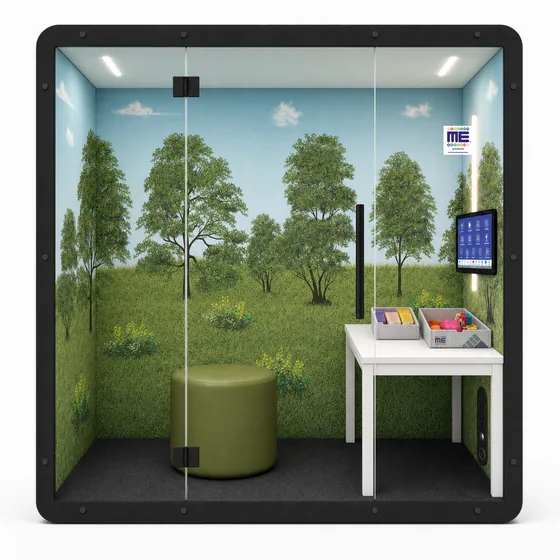
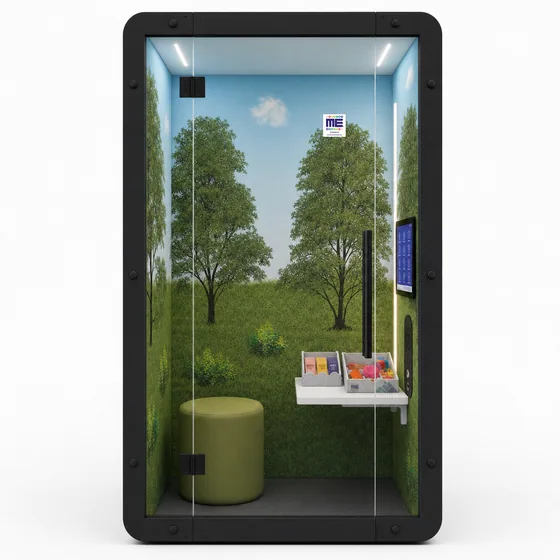
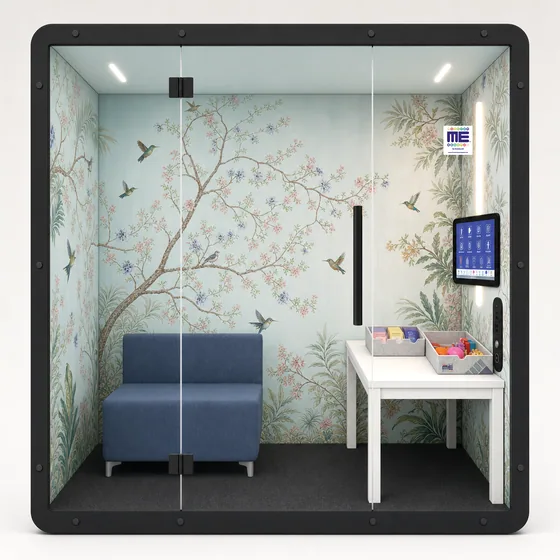
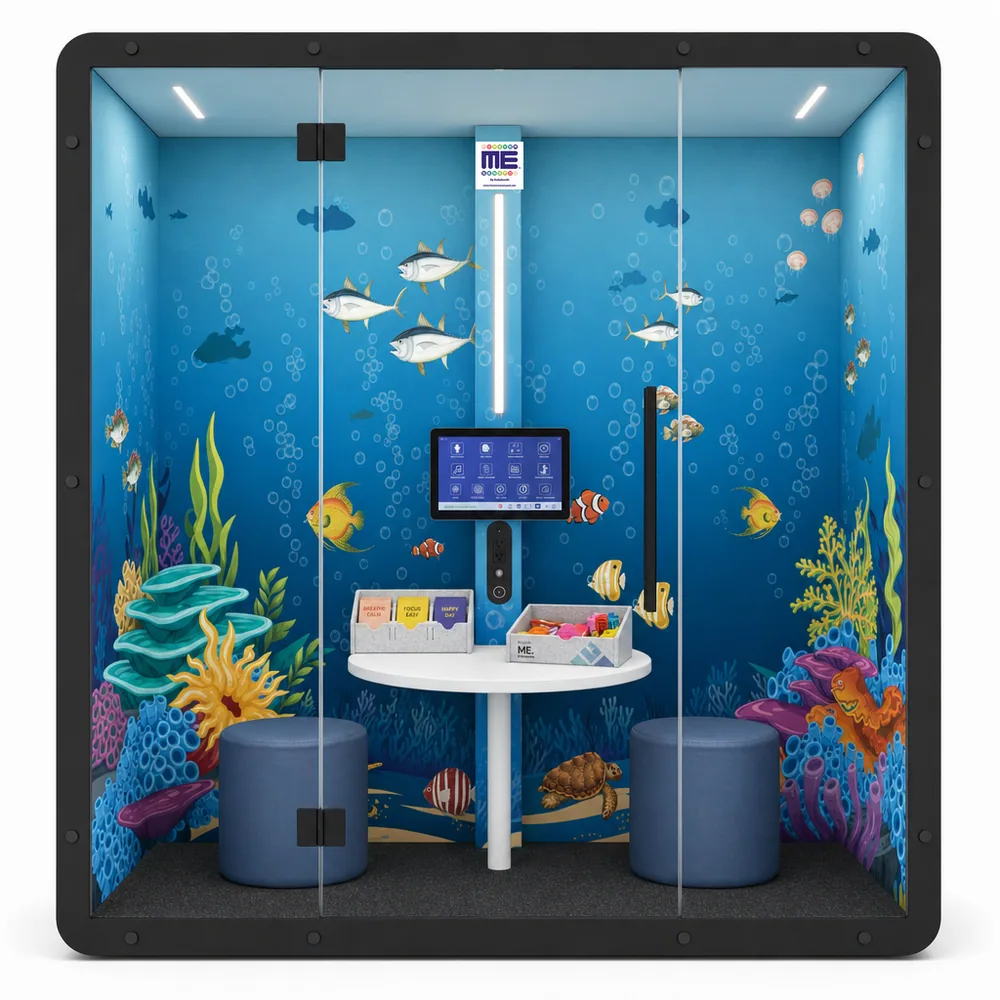
- Design quieter zones and sound-reduced spaces.
- Use acoustic supports to minimise ambient noise.
- Offer private, low-stimulus areas for reset and focus.
- Normalise sensory needs as part of inclusive practice.
When students are not spending energy filtering sound, they have more capacity to learn, connect and succeed.
References
- Shield BM, Dockrell JE. The effects of environmental and classroom noise on the academic attainments of primary school children. The Journal of the Acoustical Society of America. 2008;123(1):133–144. doi:10.1121/1.2812596. https://discovery.ucl.ac.uk/id/eprint/1486841/1/Shield2008The_Effects133.pdf