Introduction
In education, behaviour is often the first thing we notice — but it should rarely be the first thing we address. Many outbursts and withdrawals are a sign of a nervous system in distress. When we shift from asking "What's wrong with this student?" to "What does this student need?", everything changes.
Evidence shows these behaviours are often manifestations of internal struggle and stress rather than discipline issues. They usually stem from:
Emotional dysregulation — difficulty managing emotions and their responses, common in neurodivergent students and children facing sensory or social barriers.
Sensory overload — an inability to cope with busy or overwhelming environments.
Stress responses — neurological capacity for learning becomes inaccessible when the nervous system enters survival mode.
What students show is not always what they feel
Overwhelm in students may appear as:
- Acting out
- Disconnecting
- Avoiding work
- Leaving the room
These behaviours are not a lack of motivation, but signs of stress physiology.
The science: stress, brain function & learning
Learning depends on cognitive processes like attention, memory and emotional regulation.
Stress hijacks brain systems — chronic stress, sensory overload and anxiety can overwhelm the cognitive processes essential for learning.
Unrealistic expectations in a stressed state — when a student's brain is in survival mode, asking them to focus and participate academically becomes unrealistic.
The resulting mismatch — the gap between the environment and the student's state can lead to conflict, disengagement and poor performance.
With neurodivergent students or children with sensory-processing differences, punitive responses often worsen the problem. Traditional behaviour plans and punishments don't offer the right kind of support — which is why many experts call for environments that prioritise self-regulation, emotional safety and accessibility.
Reframing behaviour: from punishment to support
Reframing behaviour as a regulatory need shifts the educational approach toward understanding. This leads to a proactive model that prioritises inclusive, regulation-first practices, such as:
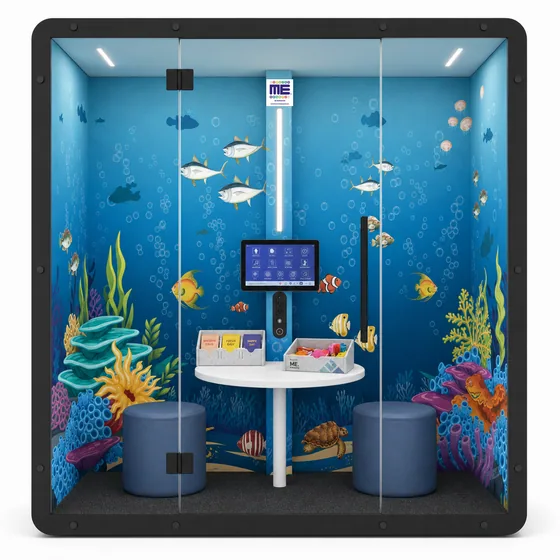
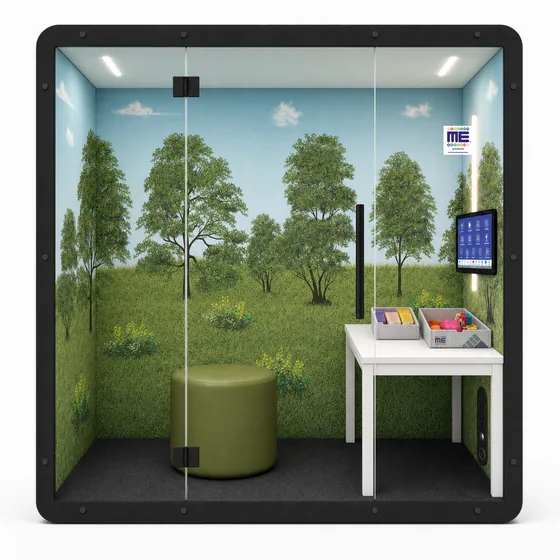
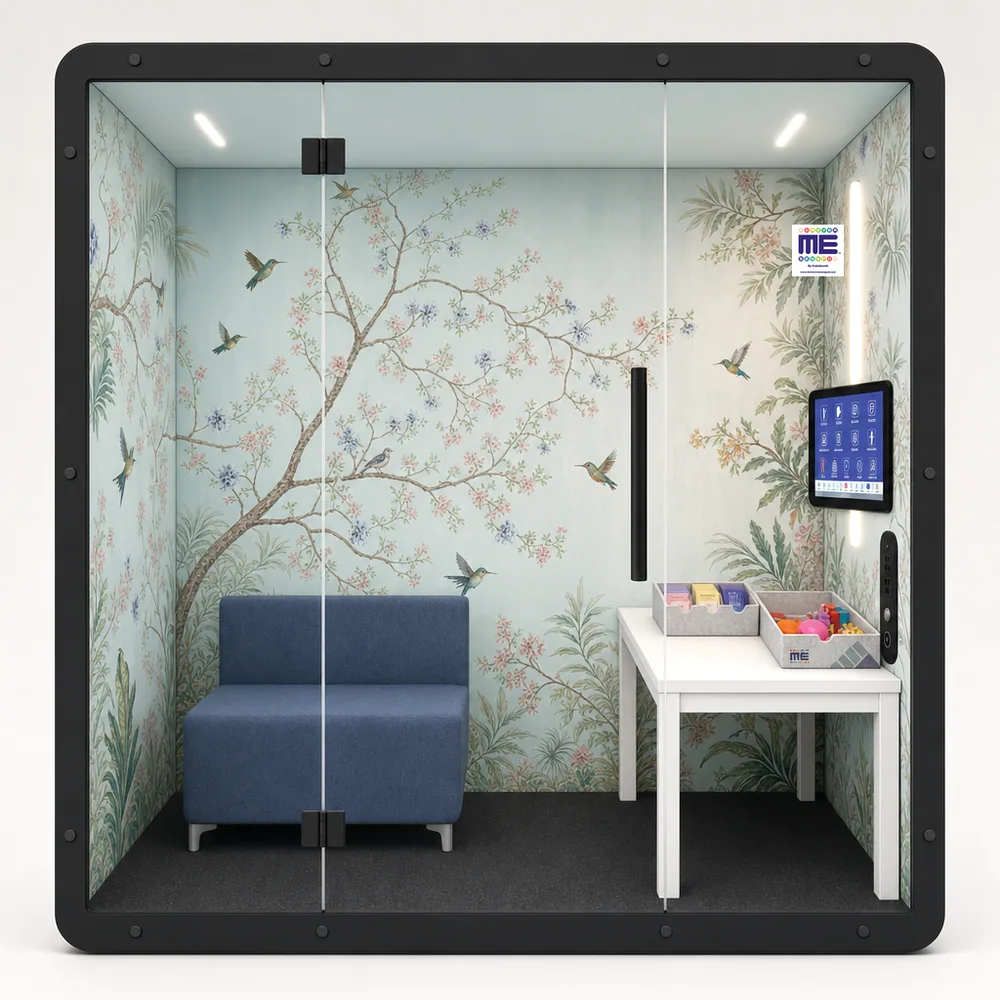
- Implementing supports like sensory-aware spaces, flexible seating and regulation tools rather than reactive discipline.
- Providing individualised support that recognises diverse needs and promotes inclusion.
- Training staff in trauma- and neurodiversity-informed practices to recognise dysregulation and offer support.
The bottom line
The assumption that behaviour equals wilful misbehaviour must be challenged. Most of these behaviours are due to unmet sensory or emotional needs. For inclusive education and equity, systems must be built that offer regulation support. When a student's nervous system is calm and regulated, learning, growth and connection become possible.
References
- Paulus FW, Ohmann S, Möhler E, Plener P, Popow C. Emotional Dysregulation in Children and Adolescents With Psychiatric Disorders: A Narrative Review. Frontiers in Psychiatry. 2021;12:628252. doi:10.3389/fpsyt.2021.628252.
- McEwen S. Emotional dysregulation in children who have experienced adversity. 2018. Australian Institute of Family Studies. https://aifs.gov.au/resources/practice-guides/developmental-differences-children-who-have-experienced-adversity-explained
- Michela S. Uncovering the link: how anxiety tightens its grip on students' executive functioning. 2025. Engaging Minds. https://engagingmindsonline.com/blog-posts/providing-the-link-how-anxiety-tightens-its-grip-on-students-executive-functioning
- McEwan S. Supporting children with neurodiversity. 2022. Australian Institute of Family Studies.