
Multi-sensory environment
Sensory Features
A personalised multi-sensory environment where every child can find their own way to calm, focus and emotional balance.
Sensory systems
dB noise reduction
Daily inspirations
Customisable
The multi-sensory system
Every element is adjustable, so no two experiences are the same. Choose a system to see what it controls.
Light & colour
Light is the fastest thing to get wrong in a regulation space. Overhead fluorescent glare is one of the most common complaints in schools and clinics — so inside the pod the light is soft, lateral, and set by the person using it.
RGB colour control
A full colour range, so the light can match the state being aimed for rather than the room outside.
Brightness adjustment
Continuous dimming from near-dark to full working light.
Moving visuals
Slow, predictable sequences — never strobing or fast-cycling.
Nature light simulation
Warm daylight curves for sessions that run long enough to need them.
Sound & quiet
The soundproof shell does the first half of the work — three printed felt walls and a glass front deliver 36 dB of noise reduction, which most people describe as the room suddenly becoming far away. What you add back after that is entirely deliberate.
36 dB noise reduction
The shell does this on its own, before a single sound is played.
White noise
A steady masking layer for rooms where the noise floor never really drops.
Ambient & nature sounds
Rain, water and woodland, matched to the printed world on the walls.
Calming music & volume control
Set per session, with a ceiling that cannot be exceeded.
Touch & texture
For many people tactile input is the regulation strategy, not a distraction from it. Hands that have something to do free the mind to settle — so the surfaces, seating and tools inside are all chosen for how they feel, not only how they look.
Textured surfaces
Printed acoustic felt — soft, matte and quiet to the touch.
Fidget tools
A toy box within reach of the seated position, restocked from the kits.
Comfortable seating
Stool or sofa, scaled to the age group and specified per pod.
Fan & temperature control
Adjustable airflow, because a warm enclosed space stops being calming.
Scent & aromatherapy
Scent reaches the emotional centres of the brain more directly than any other sense, which makes it the fastest-acting element in the pod — and the one that needs the most careful handling in a shared setting.
Calming blends
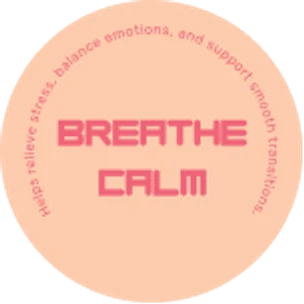
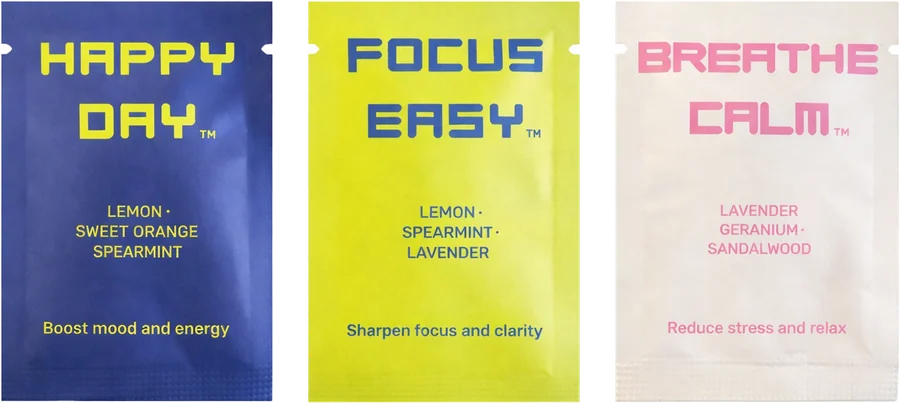
Breathe Calm — lavender, geranium and sandalwood, to reduce stress and relax.
Focus enhancers
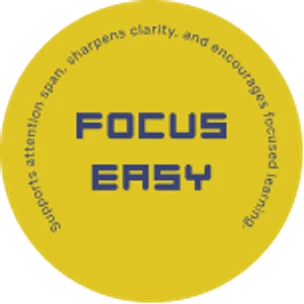
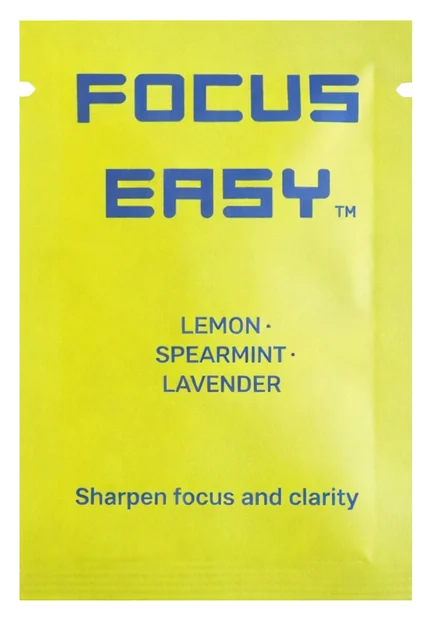
Focus Easy — lemon, spearmint and lavender, to sharpen focus and clarity.
Mood boosters
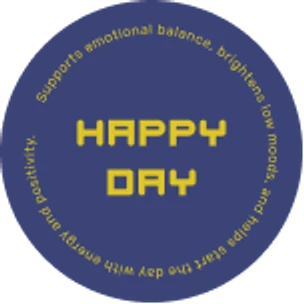
Happy Day — lemon, sweet orange and spearmint, to boost mood and energy.
Safe application
Passive sachets only — no atomiser, no heat, no aerosol, and always optional.
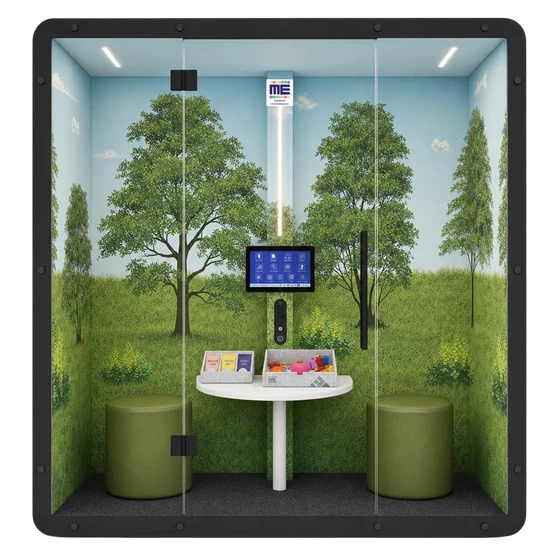
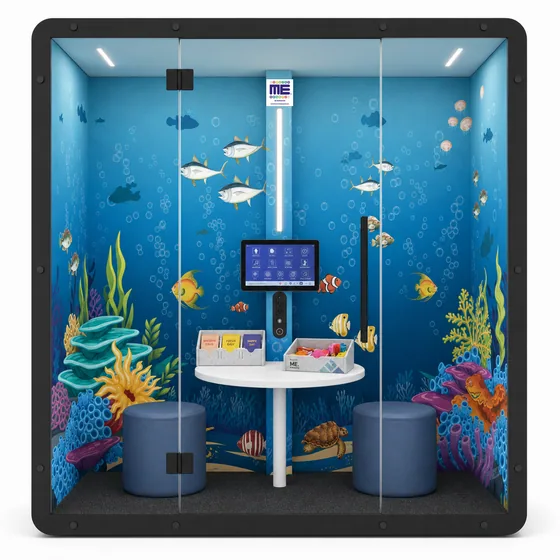
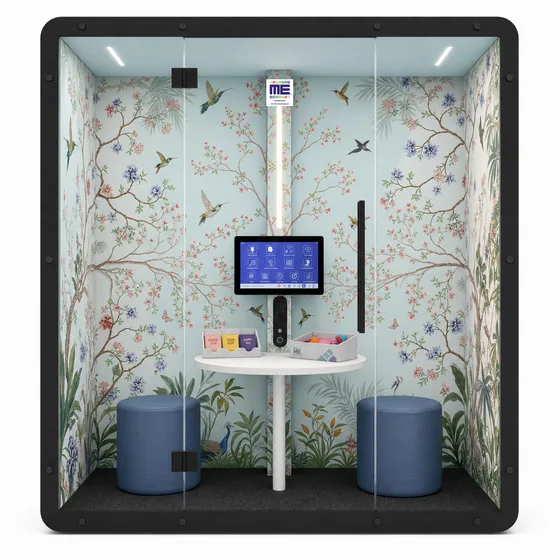
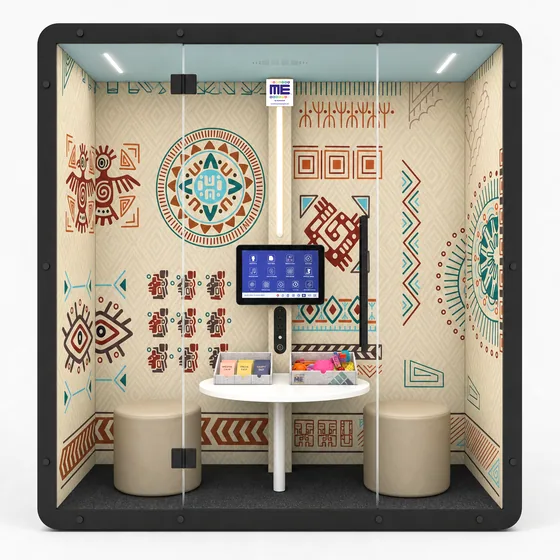
Five worlds. One calm.
The visual system starts with the world printed on the walls. Choose the one that settles your people.
Nature
Woodland and open grass. The most widely chosen, and the safest default for a mixed group.
Aqua
Water and light. Cool, slow and quiet — often chosen where the presenting need is anxiety.
Harmony
Soft abstract forms and warm tone. Calming without depicting a specific place.
Balance
Muted, structured and low-contrast. The least visually demanding of the five.
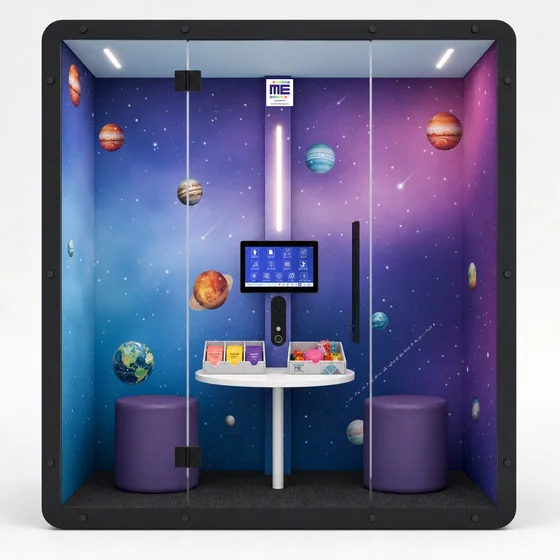
Space
Deep sky and a starry night — vast, still and quietly awe-inspiring.
Research-backed benefits
The principles this design follows, and what each one actually claims.
Engaging more than one sense at a time gives information more than one route in. For learners who struggle with a purely verbal or purely visual channel, a multi-sensory environment offers an alternative rather than a louder version of the same thing.
A regulated nervous system prioritises the higher-order functions that reading, reasoning and social interaction depend on. The pod does not regulate anyone — it provides the conditions under which regulating becomes possible, and lets the person choose which ones they need.
Autistic and ADHD users are the group most often excluded by a standard classroom or open-plan office, because those rooms are relentless for six to eight hours. Access to a low-input space on demand is a practical accommodation, not a luxury.
The pod is installed rather than built: it arrives through a standard door, assembles on site, and can be moved again. No permits, no construction waste, and no leasehold improvement written off when you relocate.
Choosing a strategy, applying it, and noticing that it worked is the whole loop that self-awareness is built from. TouchPad exists to make that loop explicit — which is why it offers a menu rather than running a programme.
These summarise established principles rather than ForeverMe findings. See the Research page for what our own programme is measuring. Research →
Interactive TouchPad control
Set flush into the pod wall. Everything the person can change, in one place.
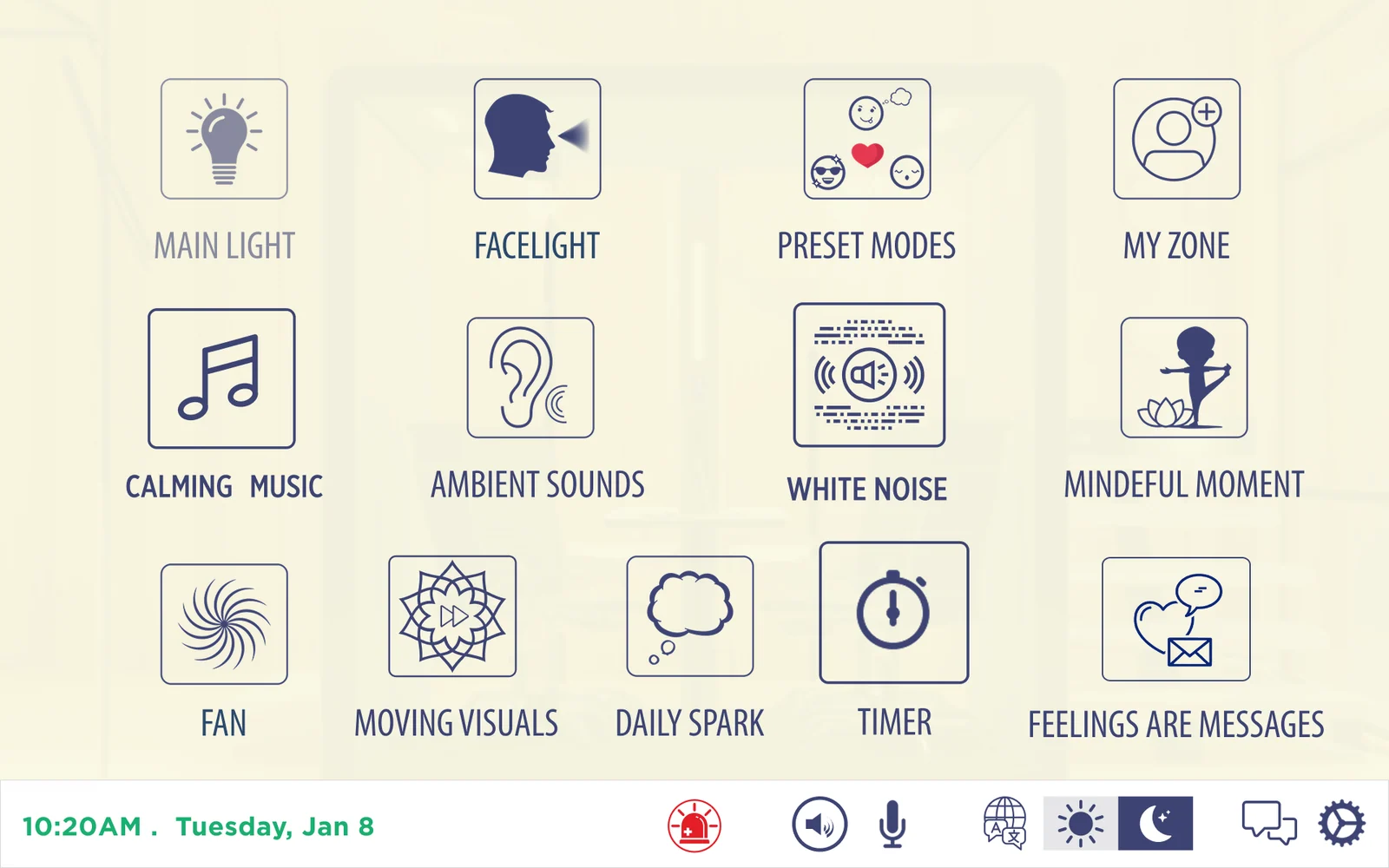
The thirteen controls
- Main Light
- Facelight
- Preset Modes
- My Zone
- Calming Music
- Ambient Sounds
- White Noise
- Mindful Moment
- Fan
- Moving Visuals
- Daily Spark
- Timer
- Feelings Are Messages
And along the bottom bar
- Emergency alert
- Volume
- Microphone
- Language
- Light / dark mode
- Messages
- Settings
01
Adjustable lights & fan
Colour, brightness and airflow, all set from the screen and all reversible.
02
Daily Spark
A short prompt on the home screen — 365 of them, one a day. Read it or ignore it, both are fine.
03
Preset & custom modes
Save a combination that works for a person and recall it in one tap.
04
Bluetooth audio
Bring your own audio when the built-in library is not the right thing.
05
Ambient sounds & meditation
A built-in library of sound and short guided tracks.
06
My Zone
A personal space for the settings and messages that belong to one user.
Integrated emergency button
A private space still has to be a supervised one. The emergency control sits in the TouchPad status bar, marked in red and separated from every other control, and raises an alert immediately — without the occupant needing to open the door, find someone, or explain anything first.
- Reachable from the seated position, at every furniture height.
- Raises an alert immediately — it does not wait for the session to end.
- Visually distinct from every other control, so it is never pressed by mistake.
Aromatherapy solutions
Five blends, each designed for a state rather than a mood. Every one is optional, and no sequence requires them.

Kits, patches and refills
The consumables that keep a pod working. Everything here is optional — a pod with an empty smell box is still a fully working pod.
Aromatherapy patches
Wearable patches in the three core blends, sold as a trio or singly.

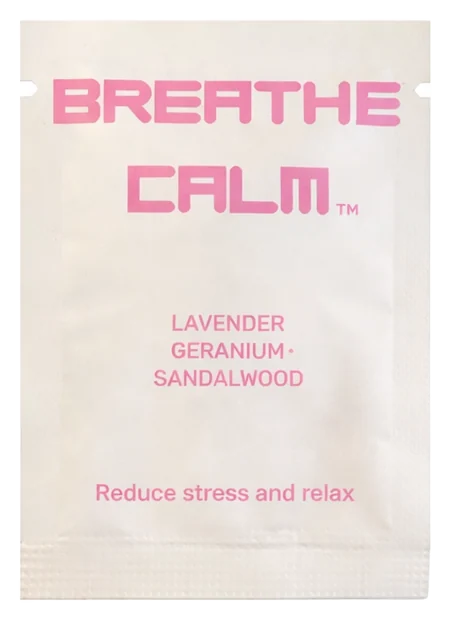
Moisturising hand sanitisers
1.5 fl oz (45 ml) each, in four scents.




Sensory toy kits
What goes in the toy box, and what each item is actually for.
What's inside
Fidget spinners
Repetitive motion for hands that need a rhythm.
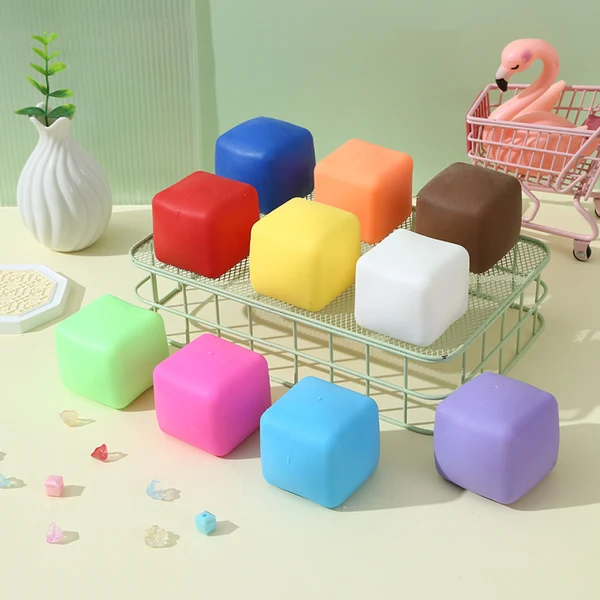
Textured squeeze toys
Resistance and grip — the most-used item in most kits.
Puzzle wheels
A short, solvable task for a mind that needs redirecting.
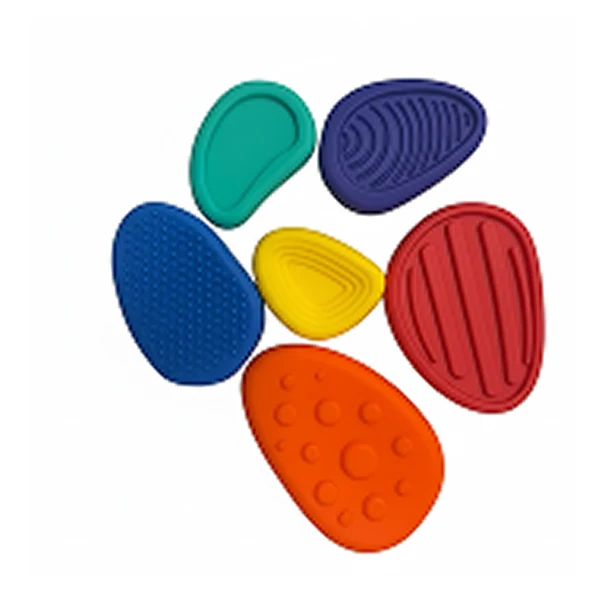
Stone stress fidgets
Smooth, weighted shapes with different textures to press and trace.
What they support
Focus & regulation
Occupied hands free attention for something else.
Calm & peace
Repetitive tactile input lowers arousal for many users.
Creativity & play
Open-ended objects invite use rather than instruction.
Motor skills
Grip, pinch and rotation, practised without it being an exercise.
Ready to learn more?
Download the full product catalogue for models, dimensions, sensory specifications and the customisation options in one document.
PDF · 6.5 MB